The 2026 FIFA World Cup has officially arrived, transforming North America into the global epicenter of soccer. With millions of eyes turned toward the host cities, fans are navigating a complex landscape of match schedules, streaming options, and significant geopolitical developments. Whether you are a die-hard supporter tracking your team’s progression through the group stages or a casual viewer looking to tune into the biggest moments, understanding the intricacies of this tournament is essential for the full experience.
Navigating the 2026 Match Schedule and Viewing Experience
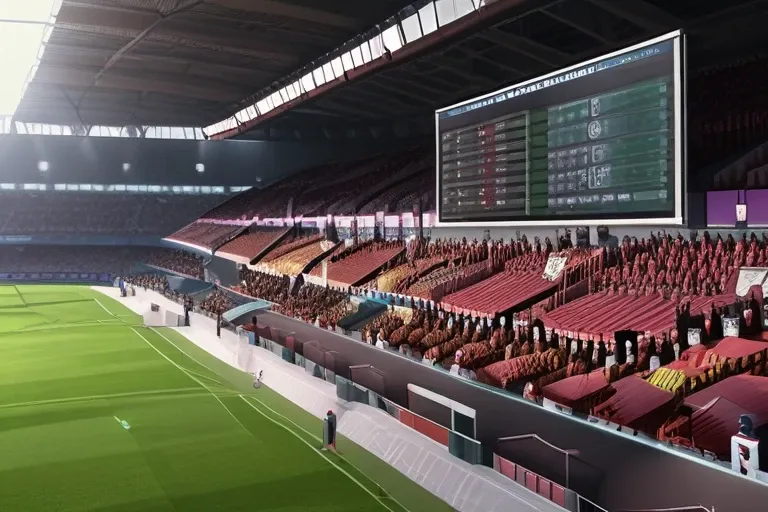
The 2026 tournament features an unprecedented scale, with 16 stadiums across the continent hosting a packed calendar of matches. For fans at home, the digital landscape has evolved significantly to accommodate the high demand. Google TV has rolled out major interface upgrades, including a dedicated 'Live Matches' sports page and deeper integration with Gemini AI to help viewers track highlights and post-game analysis in real-time. This technological shift is a response to the fragmentation of broadcast rights, where fans must choose between free-to-air platforms like ITVX in the UK for specific matches and premium cable or streaming services like FS1 in the United States.
For those tracking specific groups, the schedule is particularly grueling. The opening rounds feature high-stakes matchups like South Korea versus Czechia and the highly anticipated Saudi Arabia versus Uruguay clash at Miami's Hard Rock Stadium. Staying updated requires a reliable approach to geography-based streaming, as VPN services remain a popular tool for international fans looking to access local broadcasts. With the tournament duration spanning several weeks, managing your personal viewing schedule alongside the official kickoff times—often ranging from morning kickoffs in the US to late-night slots—has become a tactical endeavor of its own.
Climate Challenges and the Human Cost of Global Events
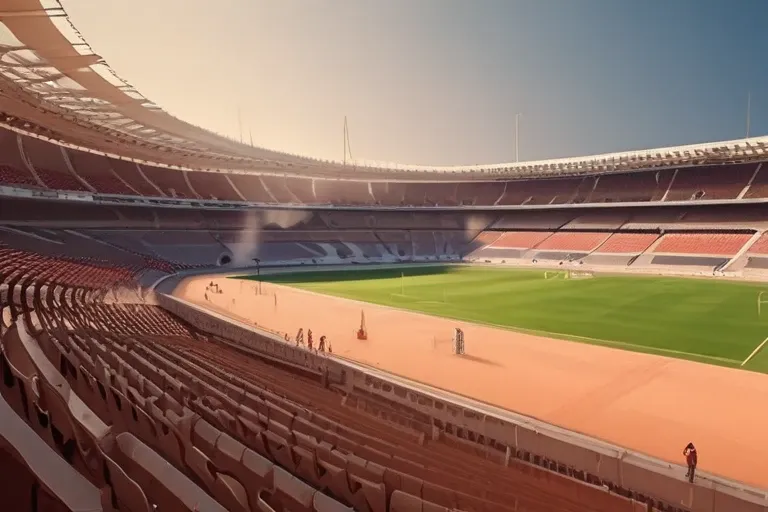
Beyond the excitement of the pitch, the 2026 World Cup has sparked serious discourse regarding environmental conditions. Extensive analysis indicates that more than one in three matches face a dangerous heat risk. As temperatures climb across North America, both players and fans are being forced to contend with extreme heat and humidity, particularly in southern host cities. This has put a spotlight on FIFA’s scheduling decisions and the necessity for robust medical and cooling infrastructure at stadium venues. Climate scientists and public health officials have raised concerns about the health implications for the thousands of attendees and the stadium staff working in these conditions.
Simultaneously, the tournament has triggered a societal reflection on the cost of fandom. As the prices for tickets, travel, and lodging soar, many long-time enthusiasts have found themselves priced out of the experience they once dreamed of attending. This economic reality has led to a surge in 'at-home' viewing culture, where families recreate the stadium experience in their own living rooms to avoid the prohibitive costs of international travel during such a high-profile global event.
Geopolitics and the Legacy of the 'Trump Cup'
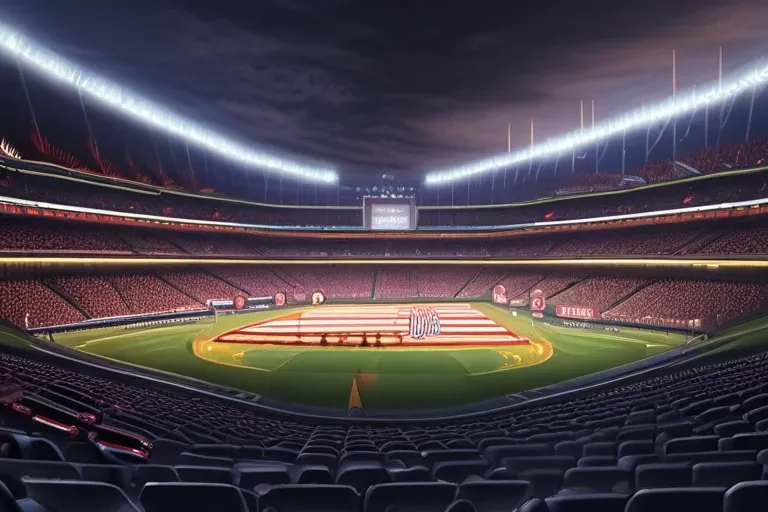
The 2026 World Cup is as much a political event as it is a sporting one. High-level diplomacy has defined the lead-up to the final, with significant attention directed toward the attendance of political leaders, including President Donald Trump. FIFA officials have confirmed that the president will attend the final match and participate in the trophy presentation, cementing the event's status as a pinnacle of American cultural diplomacy. The transformation of this event from a simple sports bid into what many are calling the 'Trump Cup' highlights the deep intersection of international prestige, domestic policy, and the commercial power of global athletics.
As the tournament progresses toward its conclusion, the narrative is split between the heroics on the grass and the political theater surrounding the trophy. The legacy of 2026 will be defined not only by the champion crowned at the final whistle but by how the host nation managed the logistical, climatic, and social challenges that accompanied this massive undertaking. For now, the world remains fixated on the schedule, ensuring that not a single minute of the action is missed as history unfolds.