In recent years, the concept of a 'pool' has shifted dramatically, bridging the gap between high-tech domestic convenience and intense national debate. Whether it is a homeowner looking to optimize their backyard oasis with the latest robotic innovations or the intense public scrutiny surrounding Washington D.C.'s historic Lincoln Memorial Reflecting Pool, the water feature remains a focal point of cultural, structural, and technological interest. As we navigate the mid-2020s, the intersection of maintenance, smart technology, and public infrastructure is redefining our relationship with water, both private and public.

Smart Technology and the Future of Pool Maintenance
For the average consumer, the market for pool care has exploded with sophisticated gadgets designed to automate tedious maintenance. Leading the charge are advanced skimmers like the Bublue BuVortex V5, which represent a shift toward vortex-powered dynamics over traditional suction-based cleaners. While these devices are sometimes criticized for their impracticality compared to heavy-duty counterparts, they underscore a broader trend: the desire for hands-off, automated pool management. Alongside these cleaners, modern floating water monitors now provide real-time data on critical parameters like temperature, pH levels, and oxidation-reduction potential (ORP). These IoT-enabled devices, which sync data to smartphone apps every fifteen minutes, are transforming how we maintain water safety. The shift is clear—the goal for 2026 and beyond is not just a clean pool, but a 'smart' pool that provides a granular, data-driven picture of chemical health.
The Reflecting Pool Saga: A Case Study in Infrastructure and Policy
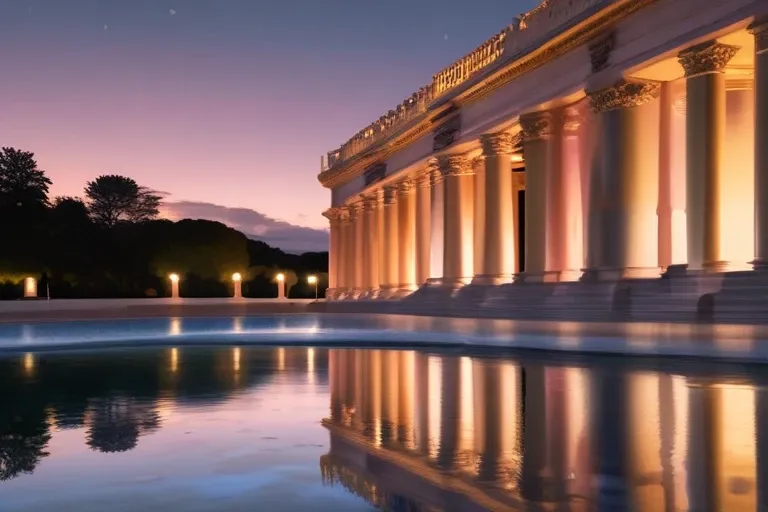
While homeowners grapple with pH levels, the Washington D.C. political landscape has been dominated by the tribulations of the iconic Lincoln Memorial Reflecting Pool. The site, which has been a lightning rod for controversy, recently underwent a massive multi-million dollar renovation aimed at solving persistent issues like structural leaks, failing pipes, and chronic algae blooms. The Trump administration’s attempt to resolve these problems through 'advanced nanobubbler technology' has become a global talking point, illustrating the complex challenges of maintaining massive historic water features. The drama surrounding the pool—ranging from reported peeling paint just weeks after completion to vandalism allegations and threatened legal action against media outlets—highlights the extreme difficulty of managing public water structures. The incident has turned into a high-stakes lesson on the intersection of urban engineering and political perception, where even the microscopic battle against algae can escalate into a national headline.
Balancing Utility and Aesthetics in Global Trends
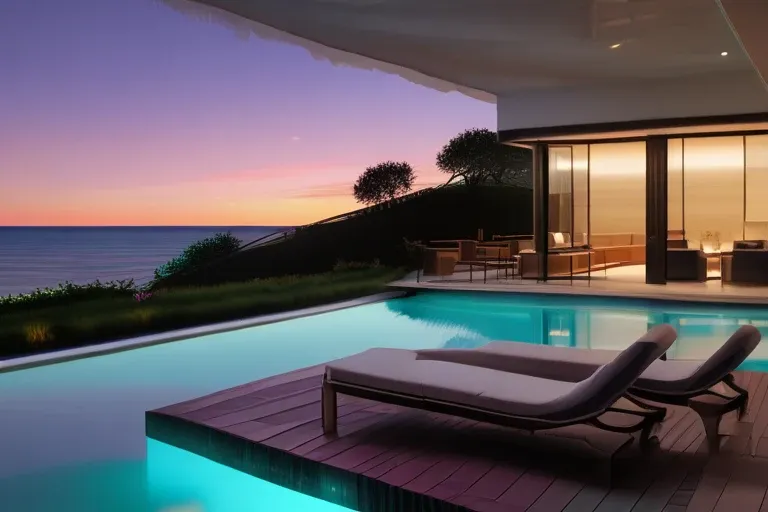
Beyond the political and technological headlines, the utility of pools in the modern landscape continues to evolve. In the business world, specifically in luxury urban centers like Houston, pools have become essential components of the 'bleisure' economy. Iconic designs, such as the Texas-shaped pool at the Marriott Marquis, serve as a testament to how pools are used to anchor the identity of luxury hospitality. This contrasts sharply with the utilitarian struggles seen in D.C., yet both spheres point toward a common theme: the aesthetic and functional value of water remains an undisputed cornerstone of modern design. As we look ahead, the global trend is moving toward sustainable, low-maintenance, and highly integrated water solutions. Whether it is a small residential splash pad or a massive national monument, the pressure to maintain pristine conditions while managing the complexities of environment and structural integrity continues to drive innovation in the field.
Summary: The Shifting Waters
The modern 'pool' experience has become a complex landscape of extremes. On one end, we see a rapid proliferation of smart, AI-driven technology that promises to make private pool ownership effortless and precise. On the other, the public sector struggles with the massive, often public, failures of maintaining monumental water features that reflect both the nation’s history and its political climate. As technology advances, we can expect these two worlds to converge further; homeowners will continue to demand the same level of technological sophistication for their backyards that infrastructure experts strive to implement in our capital cities. Ultimately, the future of the pool is one of connectivity, precision, and inevitable adaptation.