The term 'FIFA games' has undergone a massive transformation in the public consciousness. While for decades it referred to the ubiquitous video game franchise that defined soccer simulations, in 2026, it signifies something far more complex and gargantuan: the actual, global FIFA World Cup tournament. As the world converges on North America for the most significant sporting event of the decade, the intersection of digital expectations, massive commercialization, and the raw reality of live sports has created a unique cultural moment. This article explores how the modern iteration of 'FIFA games'—as both a high-stakes sporting product and a business ecosystem—is testing the limits of fan loyalty and organizational infrastructure.

The Rising Cost and Corporate Friction of the Global Stage
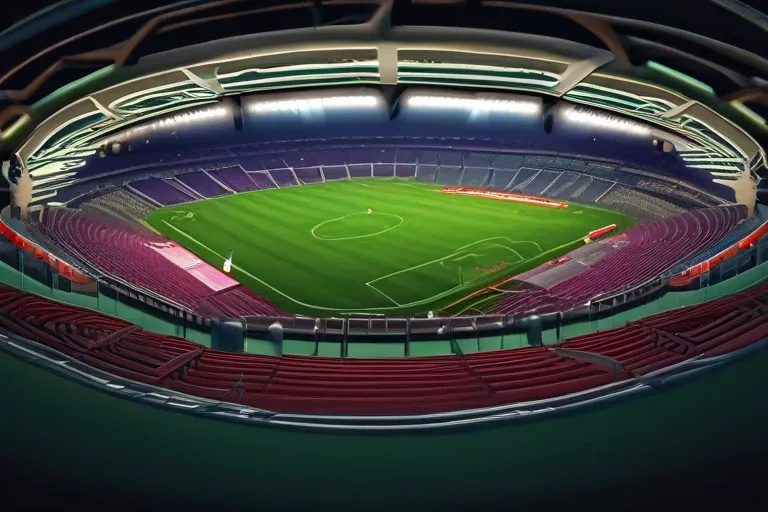
The 2026 World Cup has been heralded as the most profitable tournament in FIFA's history, yet this financial success has come at an unprecedented cost to the average supporter. Business analysts and investigative reports indicate that we are seeing a 'pricing out' phenomenon, where the very fans who built the sport's global appeal are being pushed to the margins. From exorbitant ticket prices to the systemic failures of resale platforms, the experience of attending a 'FIFA game' has become an exclusive luxury rather than a communal celebration. Even at high-profile venues like Levi's Stadium, the spectacle of empty red seats has become a recurring visual motif—a stark contrast to the expected sell-out crowds—suggesting that the barriers to entry are now high enough to disrupt even the most popular matches. This disconnect between FIFA's profit margins and the fan experience is redefining what it means to participate in the game.
Operational Challenges and Off-Field Controversies
Beyond the price of admission, the logistical reality of hosting such a massive event has exposed significant friction between FIFA's rigid operational requirements and the human element of the tournament. We have witnessed labor unrest, with stadium workers at critical venues like SoFi Stadium authorizing strikes as they demand better treatment amidst the influx of global revenue. Furthermore, even the minutiae of the broadcast and live experience have become battlegrounds; for instance, England head coach Thomas Tuchel’s recent successful demand to move photographers away from the bench during national anthems highlights a push-back against the relentless commercial intrusiveness that FIFA has become known for. These incidents illustrate that the 'FIFA games' are not just matches on grass; they are highly choreographed, sometimes contentious, productions that require a delicate balance of control, athlete comfort, and labor justice.

The Future of Officiating and the Legacy of the 2026 Tournament
Innovation remains the lifeblood of the sport, and the 2026 World Cup has introduced significant changes to the laws of the game to ensure it keeps pace with the modern era. By empowering referees with new tools to mitigate time-wasting and correct game-altering officiating errors, FIFA is attempting to refine the product on the pitch to ensure that the integrity of the matches remains unassailable. While technological adoption is necessary, the goal is to enhance the flow of the game rather than stifle it. As the tournament progresses, the focus will continue to shift toward how these regulatory changes affect the actual gameplay. The goal is to ensure that the sport remains as exhilarating as it is unpredictable, providing a high-quality product that justifies the intense global scrutiny it receives.
Summary: A Tournament at a Crossroads
The 2026 FIFA World Cup serves as a definitive case study in the modern sports industry. While the technical quality of the games—aided by new refereeing standards—continues to evolve, the organizational and economic model is facing a severe identity crisis. The balance between maximizing revenue and maintaining the accessibility that defined soccer as 'the people's game' remains tilted toward corporate interests. As the tournament moves forward, the legacy of this event will likely be measured not just by the winners on the field, but by how successfully FIFA navigated the tensions between its role as an elite commercial entity and its responsibility to the global community of fans. Moving forward, the industry must reckon with these realities if it hopes to maintain the spirit that made 'FIFA' a household name in the first place.