The 2026 FIFA World Cup has officially delivered its first major narrative of David vs. Goliath proportions. While analysts and predictive models, including those from financial powerhouses like Goldman Sachs, long identified Spain as a tournament favorite alongside traditional powerhouses like Argentina and France, the reality on the pitch has proven far more volatile. In a match that will be remembered as one of the most stunning defensive displays in modern football history, the underdog nation of Cape Verde held the star-studded Spanish lineup to a scoreless 0-0 draw, sending shockwaves through the global football community.
The Anatomy of a Defensive Miracle
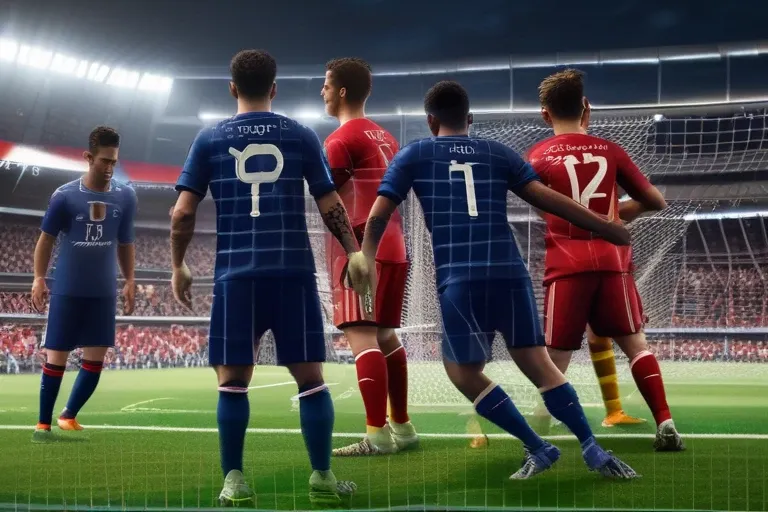
The centerpiece of this dramatic stalemate was undoubtedly the heroic performance of Cape Verde’s 40-year-old goalkeeper, Vozinha. Making his long-awaited World Cup debut, the veteran shot-stopper defied his age and the mounting pressure of the world stage to record seven crucial saves. Throughout the match, Spanish captain Rodri and his cohorts applied relentless offensive pressure, creating numerous high-quality chances. However, every Spanish attempt was neutralized by a combination of tactical discipline and Vozinha's exceptional reflexes. As the minutes ticked away, the visible frustration of the Spanish side grew, highlighting the psychological toll of failing to break down a technically inferior but highly motivated opponent. This match serves as a stark reminder that in elite international football, structural integrity and individual brilliance can dismantle the most polished tactical systems.

The Hidden Recruiting Success Behind the Pitch
Beyond the tactical breakdown of the match, the presence of players like Cape Verde’s Roberto Lopes provides a fascinating look into modern scouting and recruitment. Lopes, who was born in Ireland, famously secured his spot on the national team through a connection made via a LinkedIn message. This unconventional pathway into the World Cup illustrates how smaller footballing nations are expanding their talent pools through digital networking and diaspora engagement. The success of this strategy was on full display in Atlanta, as the cohesive performance of the Cape Verde squad frustrated one of the most talented lineups in Europe. It represents a shift in global sports, where recruitment is no longer limited to traditional academies but extends into the borderless digital landscape, allowing smaller nations to compete with established football giants.

A Tournament of Upsets and Unexpected Narrative Shifts
The draw between Spain and Cape Verde occurs against the backdrop of a larger, global conversation about the evolution of competitive balance in international sports. Much like the broader trends in global business—where disruption is increasingly common—the World Cup is proving that established 'brands' or teams cannot rely solely on historical reputation to secure victories. As we look at the wider scope of the tournament, other teams like the United States are facing their own existential pressures, struggling to overcome European opposition in knockout-stage environments. Meanwhile, the spotlight remains on individual superstars like Harry Kane, whose pursuit of glory mirrors the overarching desire for excellence seen in top-tier sports. The tournament is no longer just about the favorites; it is about the intersection of high-stakes scouting, innovative coaching, and the sheer unpredictability of the sport.
Reflecting on a Historic World Cup Moment
In summary, the 0-0 draw between Spain and Cape Verde has permanently etched itself into the history of the 2026 World Cup. It was a masterclass in defensive resilience that challenged the status quo and proved that the gap between football’s established elite and emerging nations is closing rapidly. For Spain, the result serves as a sobering 'wake-up call' that requires immediate tactical adjustment as they push toward the knockout stages. For Cape Verde, the performance serves as a triumphant debut that validates their unique recruitment model and spirit. As the tournament progresses, fans and analysts alike will look back at this game as the moment the 2026 World Cup truly began—a tournament defined not by the names on the back of the jerseys, but by the intensity, strategy, and sheer unpredictability of the beautiful game.