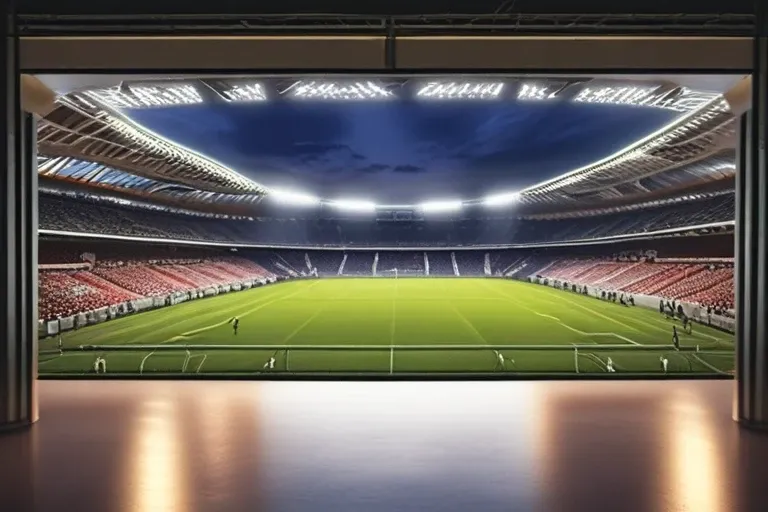
The 2026 World Cup has officially descended upon North America, transforming cities from Toronto and Los Angeles to Dallas and Boston into global epicenters of sporting passion. As the tournament finds its footing across Canada, Mexico, and the United States, fans from every corner of the globe have descended upon host stadiums, creating an atmosphere described by many as a long-awaited reunion of world football. With star-studded opening ceremonies featuring Canadian icons like Alanis Morissette and Michael Bublé, the event is not just a series of matches, but a cultural phenomenon that has gripped the international stage.

The Tactical Landscape: From Fortress Azteca to Coaching Crises
As the group stages progress, the competitive divide has become starkly apparent. Mexico has emerged as an early powerhouse, transforming the legendary Estadio Azteca into a true fortress. Their defensive solidity, coupled with an aggressive attacking style, has seen them progress to the knockout stages without conceding a single goal, striking fear into potential opponents. This dominance contrasts sharply with the struggles of other nations. Tunisia, for instance, faced a swift and brutal reality check; after a humiliating 5-1 loss to Sweden, the national federation opted to sack head coach Sabri Lamouchi, highlighting the intense pressure and zero-tolerance policy associated with the world's biggest stage.
Scotland’s campaign, meanwhile, has ignited fierce debate regarding team management and performance standards. Analysts and former players have been critical of the squad’s output, pointing to a lack of tactical depth despite the individual talent present in the roster. The disappointment of an early group-stage exit has forced a post-mortem of their national football strategy, leaving fans and pundits to wonder what the next chapter holds for coach Steve Clarke and his squad.

Technological Integration and The Digital Fan Experience
Away from the grass, the 2026 World Cup is redefining how we consume football. The integration of VAR (Video Assistant Referee) technology has been a focal point of intense scrutiny. Statistically, there have been more interventions in this tournament than in the Premier League, yet the public perception often feels contradictory. High-profile incidents, such as the controversial red card for South Africa's Themba Zwane, have sparked heated discussions about consistency and transparency. This technology-driven narrative is supported by a booming digital ecosystem; from addictive flag-trivia games that test the knowledge of newfound vexillophiles to interactive content creators on platforms like YouTube bringing the tournament experience to millions who aren't watching from the stands.
Summary: The State of the World Cup Tournament
As we move deeper into the knockout rounds, the 2026 World Cup continues to deliver on its promise as a global unifier. While England fans are making their voices heard across American venues, and tactical masters like Mexico are asserting their regional authority, the tournament remains a volatile mix of historic rivalries and unexpected outcomes. Whether it is the heartbreak of early exits or the electrifying atmosphere of a packed stadium, the competition remains the ultimate litmus test for international football. With the world watching, the stage is set for a historic climax, proving once again that despite the logistical challenges and technological debates, nothing captures the global imagination quite like the World Cup.