As the international football community shifts its gaze toward the horizon, the anticipation for the 2026 FIFA World Cup has reached a fever pitch. This tournament, set to be co-hosted by the United States, Canada, and Mexico, represents a monumental shift in the scale and engagement of the beautiful game. From record-breaking expansion plans to innovative digital platforms integrating fan participation, the event is shaping up to be more than just a series of matches—it is becoming a global cultural phenomenon that bridges the gap between traditional sports and modern digital interactivity.
The Rise of Interactive Fan Engagement and Prediction Markets
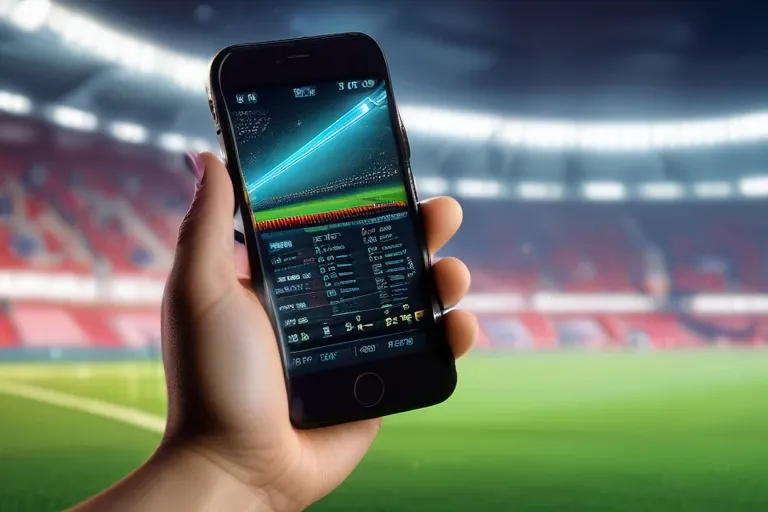
A significant trend emerging in the lead-up to 2026 is the surge in fan engagement platforms that leverage the excitement of the tournament to drive community building. Recent initiatives, such as the ₦400 million World Cup prediction event launched by the Carding App, demonstrate how technology is being used to gamify the spectator experience. By allowing fans to predict match outcomes, engage in social sharing, and utilize digital gift cards, these platforms are effectively transforming passive viewers into active participants. This shift mirrors broader global trends where sports consumption is increasingly intertwined with fintech and social media, ensuring that the World Cup reaches demographics that might otherwise be less engaged with traditional broadcasting.
These platforms serve a dual purpose: they create a buzz around the tournament while fostering a competitive environment among fans. As stakeholders look for ways to maximize the reach of the 2026 event, such innovative prediction models are likely to become standard. By offering substantial incentives and integrating social elements, companies are not just capitalizing on football passion; they are creating sustainable digital ecosystems that survive long after the final whistle blows.
Technological Advancements and Infrastructure Readiness
Hosting a World Cup across three diverse nations presents unique logistical and technological challenges. However, it also offers a massive opportunity to showcase cutting-edge infrastructure. The 2026 tournament will feature a record 48-team field, requiring a level of digital and physical coordination never before seen in sports history. From advanced stadium tracking systems that provide real-time performance data to the seamless integration of global payment systems for ticket sales and on-site merchandise, the 2026 World Cup is a proving ground for smart city technology.
Furthermore, the reliance on high-speed connectivity to support millions of concurrent streamers and mobile users has forced organizers to prioritize digital infrastructure. The integration of artificial intelligence in officiating and scouting is also expected to reach new heights, with 2026 serving as the primary stage for these technologies to be tested under maximum pressure. As the world prepares, the focus remains on ensuring that the tournament is not only accessible to the billions watching from home but also efficient and secure for the millions attending in person.
A Legacy of Global Connectivity and Economic Impact
Beyond the goals and the glory, the 2026 FIFA World Cup is projected to have a profound economic impact on North America. Estimates suggest that the influx of tourism, coupled with the massive investment in stadiums and public transportation, will provide a significant boost to regional economies. More importantly, the tournament acts as a catalyst for cultural exchange, bringing together fans from every continent to celebrate a shared language: football.
The legacy of this World Cup will likely be defined by its inclusivity and its technological footprint. By embracing digital-first fan experiences and expansive hosting strategies, FIFA is setting a new precedent for how major global events are delivered in an era of rapid digital transformation. As we look ahead, the tournament stands as a beacon of unity and innovation, promising to redefine the standard for major athletic competitions for decades to come.