The 2026 FIFA World Cup has arrived, marking a monumental shift in how the world’s most popular sport is consumed, hosted, and experienced. As the tournament unfolds across North America, it brings with it a complex tapestry of record-breaking statistics, operational logistical challenges, and a growing tension between the commercial ambitions of FIFA and the accessibility of the beautiful game for everyday fans. From tactical shifts on the pitch to the controversial economic realities of the stands, the 2026 tournament is proving to be a watershed moment in sporting history.

The Evolving Landscape of Matchday Operations and Officiating
Modern football, under the global governance of FIFA, is undergoing a rigorous transformation. On the field, the 2026 World Cup has introduced updated officiating guidelines aimed at eliminating time-wasting and ensuring that match-altering errors are corrected with higher precision. These regulatory changes, overseen by IFAB, reflect a broader drive toward technical perfection in a game that moves faster than ever. However, the influence of FIFA extends well beyond the referee's whistle. Recent incidents, such as England head coach Thomas Tuchel’s successful intervention to relocate photographers away from the bench during national anthems, highlight the power dynamics at play. These seemingly minor logistical adjustments speak to the intense pressure coaches and players face in a high-stakes environment where every detail, from visual focus to the rhythm of the game, is meticulously managed to favor the product on the pitch.

The Economic Paradox: Record Profits vs. Fan Exclusion
While the tournament is being billed as the most profitable in FIFA’s history, this success comes at a significant social cost. Recent reports have painted a stark picture of a sport that risks pricing out the very fanbases that built its global popularity. The cost of attending games has reached unprecedented levels, with fans facing a combination of exorbitant ticket prices and a fragmented landscape of streaming services. This financial barrier is being exacerbated by a volatile secondary ticket market. Instances of fans arriving at stadiums like Gillette Stadium only to find their resale tickets have fallen through underscore a systemic failure in the current ticketing infrastructure. As leagues and governing bodies like FIFA push for maximum revenue, the human element—the visceral, exhilarating experience of being in the stadium—is increasingly restricted to those with deep pockets, creating a sense of alienation among the traditional supporter base.
Stadium Logistics and the Visibility of Empty Seats
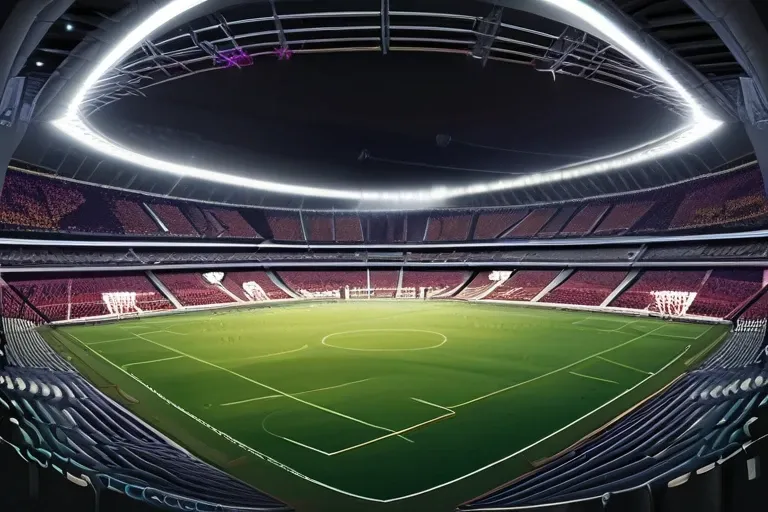
Perhaps the most baffling visual trend of the 2026 tournament has been the prevalence of empty seats in massive venues. Despite the global hype, stadiums from Santa Clara to Guadalajara have been marred by pockets of unoccupied red seats during high-profile matches. FIFA has attributed these vacancies to fans choosing to watch from stadium concourses, but the phenomenon suggests a deeper disconnect between stadium design, hospitality management, and crowd behavior. Furthermore, the operational stability of these venues is under strain, evidenced by labor unrest at SoFi Stadium where workers have voted to authorize strikes ahead of key matches. The intersection of labor rights, corporate profitability, and fan experience remains the defining challenge of this tournament, raising questions about the sustainability of such large-scale sporting events in an era of intense economic scrutiny.
Conclusion: A Tournament at a Crossroads
The 2026 FIFA World Cup serves as a microcosm of modern sports: a spectacle of unparalleled size, technical ambition, and revenue generation, yet deeply vulnerable to the pressures of accessibility and corporate overreach. With a record 48 teams and over a thousand players involved, the logistical undertaking is immense, yet the focus remains firmly fixed on the human impact of these decisions. Whether it is the fight for a better view from the bench, the scramble to secure reliable tickets, or the quest for fair labor conditions, the 2026 World Cup proves that the future of football is not just about the game on the grass—it is about navigating the complex, and often uncomfortable, intersection of profit, policy, and the global community of fans.