The 2026 FIFA World Cup™ has officially arrived in North America, marking a historic expansion in the scale and ambition of global football. With 48 teams competing across 16 host cities in the United States, Canada, and Mexico, this tournament is not just a sporting event; it is a massive logistical operation that is redefining what it means to host a mega-event. While the excitement on the pitch is palpable, the build-up has been characterized by record-breaking financial figures, intense technological innovation, and a complex intersection of geopolitics and fan accessibility that observers are only beginning to parse.

The Price of Perfection: Financial Barriers and Logistical Hurdles
For the average fan, the 2026 World Cup represents a significant financial commitment. Reports indicate that visitors are expected to spend upwards of $5,400 during their stay—a staggering increase compared to previous iterations in Qatar or Russia. This surge in costs is linked to the massive scale of the tournament and the logistical necessity of traversing the vast geography of North America. The 2026 edition has effectively become the most expensive tournament for spectators in history, driven by soaring travel costs, premium ticket pricing models, and the premium cost of living in major US hub cities. Financial analysts and reporters have noted that while this shift makes the tournament incredibly profitable for FIFA, it raises serious questions about the democratization of the beautiful game, as many international supporters are effectively priced out of the experience.
Technological Engineering on the Pitch
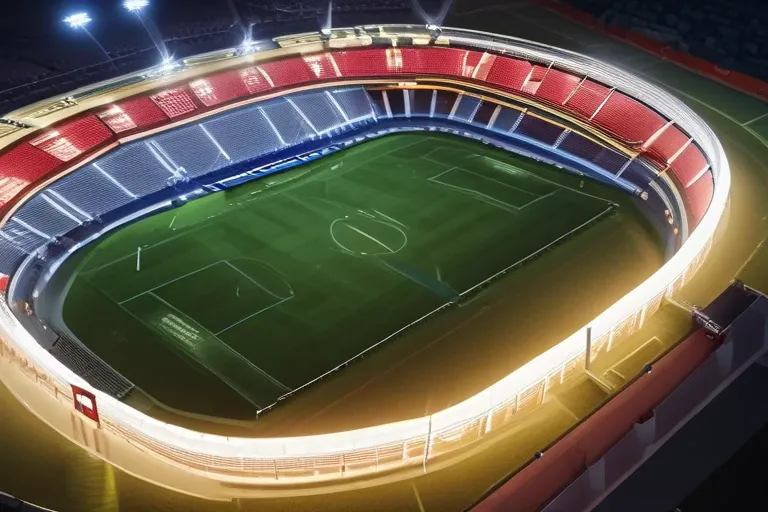
Beyond the stands, FIFA has undertaken a multi-million dollar effort to standardize the playing experience through advanced turf science. Given the climatic diversity across the 16 host cities, from the humid southern United States to the cooler climates of Canada, maintaining a uniform, high-performance surface is an engineering marvel. FIFA has invested in proprietary, synthetic-backed, natural grass systems that are transported in refrigerated trucks to ensure that every player, regardless of the venue, encounters the same ball roll and traction. This obsessive attention to detail highlights the professionalization of the tournament environment, ensuring that the spectacle remains high-quality while mitigating the environmental challenges posed by regional weather shifts. This scientific approach to grass management is perhaps the most significant, yet invisible, advancement in tournament preparation.

A Super-Sized Stage: Geopolitics and Modern Fandom
The 2026 tournament is inherently political and cultural, serving as a reflection of modern global tensions and digital-age fandom. The visa process for international fans has drawn significant criticism, with some experts arguing that shifting political administrations have created a sense of exclusion for visitors from various parts of Asia, Africa, and the Middle East, contrasting sharply with the tournament's stated goal of global unity. Meanwhile, the way fans consume the sport has shifted fundamentally. Influencers like IShowSpeed have effectively replaced traditional sports media for Gen Z, turning matches into decentralized, interactive digital events that transcend the physical constraints of stadium seating. This democratization of the fan experience—through streaming and viral culture—offers a stark contrast to the rigid, highly controlled environment of physical stadium access, proving that the World Cup's reach is expanding even if its physical accessibility is narrowing.
Concluding Summary of the 2026 FIFA World Cup
The 2026 FIFA World Cup™ is a tournament of superlatives: the largest in team count, the most profitable for organizers, the most scientifically engineered, and arguably the most socially complex. As the world watches, the event acts as a mirror to the current state of global sports business. While the scale of 48 teams brings unprecedented representation to the field, the barriers to entry—both financial and bureaucratic—ensure that this World Cup will be remembered as much for its administrative friction as for its athletic achievements. Moving forward, FIFA will likely face immense pressure to balance the commercial success of such a massive undertaking with the fundamental need to keep the World Cup accessible to the global fan base that fuels its very existence.