The 2026 FIFA World Cup has been defined by moments of sheer brilliance, tactical innovation, and, perhaps inevitably, significant officiating controversy. As the United States Men’s National Team (USMNT) began their historic campaign on home soil, all eyes were on striker Folarin Balogun. While his performance on the pitch against Paraguay was electric—yielding a brace that set the tone for the host nation—the match quickly descended into a chaotic procedural debate involving the Video Assistant Referee (VAR) system that left fans, pundits, and officials in a state of total confusion.
The VAR Mistake and the Shadow of a Red Card
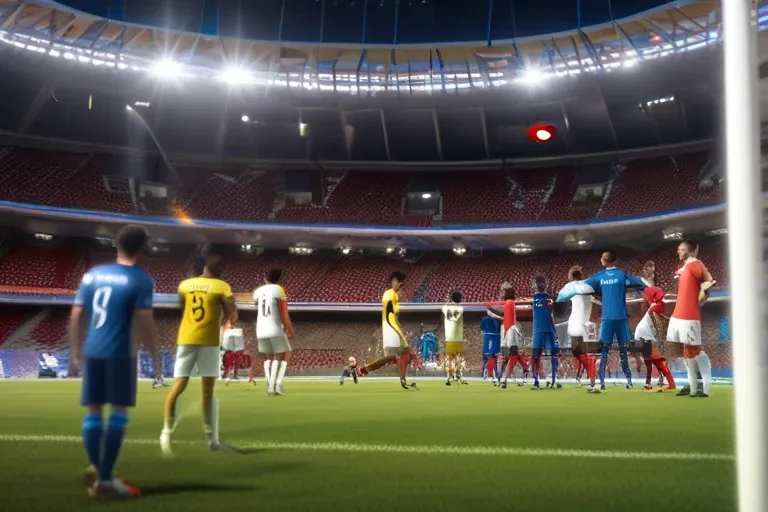
The drama unfolded during the opening fixture of Group D, where the United States dominated Paraguay in a 4-1 victory. However, the headlines were not exclusively focused on the scoreline. A major point of contention arose regarding a high-stakes decision involving Folarin Balogun. During a period of intense pressure, a challenge led to a series of events that appeared to put the USMNT star at risk of an early exit. Fans inside SoFi Stadium were left bewildered as a sequence of events—initially interpreted by many as a potential red card offense—triggered a prolonged VAR review process.
Sources have since confirmed that there was a critical failure in the communication between the pitch-side official and the VAR room, leading to a state of 'mistaken identity' and procedural uncertainty. While Balogun remained on the pitch to complete his clinical double, the officiating error raised urgent questions about the implementation of technology in the 2026 tournament. The incident served as a stark reminder that even with the most advanced oversight, human error—compounded by technical miscommunication—remains a fundamental variable in the global game.
Refereeing Standards and the Flow of the 2026 World Cup
Beyond the specific incident involving Balogun, the 2026 World Cup has highlighted a broader tension between the rigorous application of the rules and the desired 'flow' of the game. Mark Clattenburg and other analysts have noted that while the new officiating directives are intended to protect player safety and minimize gamesmanship, the impact on match rhythm has been mixed. Coaches across the tournament have expressed genuine concern over the threshold for yellow and red cards, as a single disciplinary miscalculation can alter the trajectory of an entire group stage.
The increase in the number of teams to 48 has necessitated a more rigid approach to scheduling and group standings, putting immense pressure on players to maintain discipline. For the USMNT, navigating the group stage while managing the disciplinary record of key attackers like Balogun is a tightrope walk. The anxiety surrounding potential red cards is palpable, as teams look to secure their spot in the knockout rounds without being handicapped by suspension or the disruption of rhythm caused by lengthy reviews.
Summary of the Tournament Landscape and Disciplinary Impact
As the tournament progresses, the focus shifts from individual incidents to the larger narrative of the USMNT’s dominance and the tournament’s officiating legacy. With the United States successfully advancing to the knockout stages, the lessons learned from the opening group games remain vital. The confusion surrounding the potential red card for Balogun will likely be archived as one of the defining oddities of the early stages, but it serves as a wake-up call for FIFA regarding VAR transparency and protocols.
Ultimately, the 2026 World Cup remains a spectacular showcase of talent. While the incident involving Balogun provided a moment of immense tension, it was quickly eclipsed by the sheer quality of play displayed by the USMNT. Moving into the round of 32 and beyond, the expectation is that referees will refine their process, ensuring that the technology meant to enhance the fairness of the game does not inadvertently become the primary story of the match. For players like Balogun, the goal remains clear: deliver results on the pitch and leave the debate to the fans and the history books.