The 2026 Copa do Mundo has officially commenced, ushering in a new era for international football. With 48 teams competing across the United States, Mexico, and Canada, the tournament is already shattering records, defining legends, and pushing the boundaries of what a global sporting event can look like in the digital age. From the sun-drenched streets of Miami to the high-stakes drama on the pitch, this year’s edition is proving to be a complex, high-octane spectacle that balances traditional football passion with modern technological integration.
The Messi Phenomenon and the Race for Glory
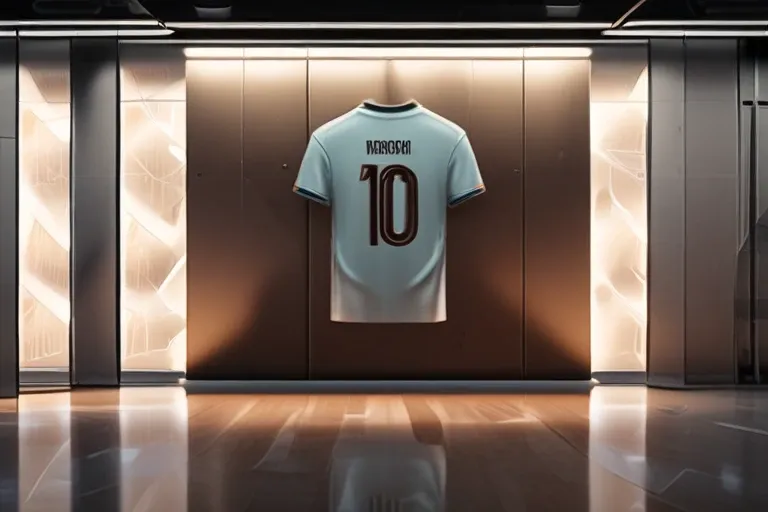
As the tournament progresses, all eyes remain fixed on Lionel Messi. Now 39 years old, the Argentine superstar has defied the narrative of decline, leading the Golden Boot race with five goals in just two matches. The fervor surrounding him has reached mythical proportions; fans are obsessing over details as granular as his hotel room number—202—believing its numerological significance predicts a fourth star for Argentina. Despite lingering concerns regarding a hamstring injury, Messi’s influence on the pitch remains absolute. His ability to anchor the team while continuing to break all-time scoring records underscores his status as the greatest to ever play the game. Meanwhile, the conversation surrounding his eternal rival, Cristiano Ronaldo, continues to dominate the headlines. With legends like Diego Lugano making bold predictions regarding Portugal's path, the pressure on Ronaldo to claim the final trophy missing from his cabinet has never been higher, setting the stage for a potential historic collision.
A Cultural Explosion: Music, Technology, and Fan Unity
The 2026 Copa do Mundo has also served as a catalyst for a revolution in how the tournament is consumed and experienced. The opening ceremony featured a dazzling performance by Katy Perry alongside 10-year-old Norwegian singer Tius Luka, bridging generations through the universal language of song. However, the musical landscape of the tournament has evolved even further; streaming platforms like Deezer have noted an explosion of hundreds of AI-generated fan songs, signaling a permanent shift in how national pride is expressed through music. Outside the stadiums, the atmosphere is electric. In South Beach, thousands of fans from Scotland’s 'Tartan Army' and Brazil have converged to celebrate the beautiful game together, embodying the unifying power of the World Cup. This social synthesis of fans, ranging from organized chanting groups to the casual supporter, highlights the tournament’s unique ability to act as a global nexus for human connection, even as the scale of the competition continues to grow.
Structural Shifts and the Rise of Emerging Talent
The transition to a 48-team format has transformed the competitive landscape, creating new opportunities for clubs and young prospects alike. Manchester City currently leads the pack in terms of player representation, providing the highest number of athletes to the tournament, followed closely by regional giants like Flamengo. This influx of talent is complemented by a wave of young, burgeoning stars. Within the halls of FC Barcelona, the excitement surrounding 17-year-old gem Orian Goren and the development of talents like Toni Fernandez suggests that the next generation of football icons is already waiting in the wings. These clubs are no longer just training grounds for domestic leagues; they are the literal engines driving the World Cup forward. As the tournament moves into the knockout stages, the synergy between established superstars and these rising prospects will likely determine which nation lifts the trophy, adding a layer of tactical unpredictability that the larger format only serves to heighten.
A Concluding Summary of the 2026 World Cup
The 2026 Copa do Mundo is shaping up to be a historic achievement in sports history. By successfully integrating a expanded 48-team roster, fostering unprecedented fan engagement through digital and social mediums, and providing a final, dramatic stage for aging icons to solidify their legacies, the tournament has cemented its relevance in the modern era. As the world watches to see if Argentina can repeat their dominance or if a new challenger will rise to seize the crown, one thing is certain: this tournament has already redefined the scale and scope of international football. With the perfect blend of legacy stars, breakthrough youth, and a vibrant, technology-infused fan culture, the 2026 edition stands as a monumental celebration of the sport.