The 2026 FIFA World Cup has officially arrived, bringing the world’s most prestigious sporting event to North America. With 16 host cities spanning the United States, Canada, and Mexico, the tournament is set to be the largest in history. As fans globally scramble to navigate the sprawling world cup schedule, the intersection of technology, climate concerns, and high-stakes diplomacy has transformed this year’s competition into a truly unique spectacle. Whether you are planning to watch in-person at a stadium or streaming from halfway across the globe, understanding the intricacies of this year's match format is essential.

Navigating the Match Schedule and Digital Integration
With an unprecedented number of games and teams, keeping track of the world cup schedule has become a primary concern for viewers. Fortunately, the tech industry has stepped in to streamline the experience. Platforms like Google TV have rolled out significant updates to their Sports topic pages, allowing fans to access real-time 'Live Matches,' match highlights, and comprehensive post-game analysis with greater ease than ever before. Furthermore, AI tools like Gemini are being integrated into streaming interfaces to provide voice-controlled navigation, helping fans find kick-off times and channel information in seconds.
For those watching from abroad, the digital landscape remains fragmented by geoblocking. Viewers are increasingly turning to VPNs and specialized streaming services, such as ITVX in the UK, to access matches that might otherwise be unavailable in their region. The scheduling is complex, often requiring fans to juggle time zones as games jump from venues in Miami to those in the Pacific Northwest, making digital planning tools indispensable for the modern football enthusiast.
Environmental Challenges and Venue Logistics
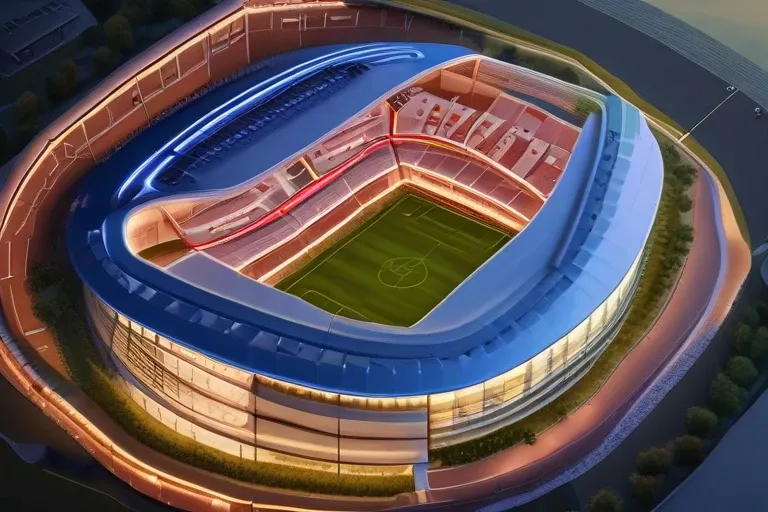
One of the most critical discussions surrounding the 2026 world cup schedule involves the climate. Recent data analysis has highlighted that more than one-third of the tournament's matches face significant risks from dangerously high temperatures and humidity. With the tournament taking place during the heat of summer, venue organizers and FIFA officials are under immense pressure to protect both players and spectators. The scheduling has been scrutinized to account for these weather patterns, with midday matches at high-risk locations potentially impacting player performance and fan safety. This environmental factor has forced a deeper conversation about how climate change is reshaping the logistical realities of global sports events.
Beyond the weather, the tournament has become a focal point for international politics. President Donald Trump’s planned attendance at the final and his role in presenting the trophy have highlighted the deep connection between the event and the diplomatic landscape. This iteration of the tournament, often jokingly referred to as the 'Trump Cup' in some corridors, represents the culmination of a decade of intense bidding and geopolitical maneuvering that has defined the United States' path to hosting.

The Cost of Fandom and the Future of International Soccer
As the tournament progresses, a stark reality has emerged for many supporters: the rising cost of participation. Stories of families who have spent over a decade planning for this exact moment, only to find the tickets and travel logistics prohibitively expensive, highlight a growing disconnect between the average fan and the event's luxury-tier pricing. This economic barrier has sparked a broader debate about accessibility in sports. While the world cup schedule provides a roadmap for the matches themselves, it does not account for the socioeconomic hurdles that prevent many loyal fans from participating in the experience in person.
Despite these challenges, the 2026 World Cup remains a landmark event. From the high-stakes tactical battles on the pitch, such as the highly anticipated Group H opener between Saudi Arabia and Uruguay, to the cultural exchange occurring across 16 host cities, the tournament continues to command the global spotlight. By utilizing new digital tools, navigating the complexities of weather-adjusted scheduling, and recognizing the evolving economic nature of the game, fans can still make the most of this historic competition. As the trophy ceremony approaches, the world remains united in its passion for the beautiful game, proving that the World Cup remains a singular force in human culture.