The United States Supreme Court (SCOTUS) has once again solidified its position at the center of the American political and social storm. As we navigate through mid-2026, the high court’s docket has delivered a series of landmark rulings that are fundamentally reshaping the legal landscape of the nation. From the tightening of border policies to a dramatic expansion of Second Amendment rights, the current supermajority is steering the country in a direction that critics call an erosion of foundational protections and supporters hail as a return to constitutional originalism.
The Collision of Border Policy and Humanitarian Law
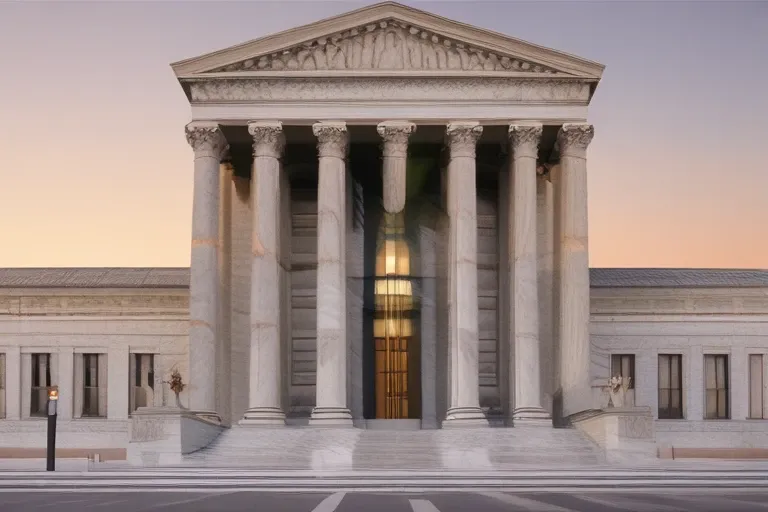
In a move that has sparked intense debate, the Supreme Court has handed a significant victory to the administration’s restrictive immigration agenda. By ruling that the U.S. government can effectively turn away asylum seekers at the border, the court has effectively dismantled long-standing protections for those fleeing persecution and torture. Legal experts and human rights advocates argue that this decision represents a "devastating blow" to the rule of law and the nation’s historical legacy as a beacon of hope for the displaced. The ruling effectively creates a high-pressure environment for international humanitarian efforts, particularly as the administration doubles down on policies that critics believe prioritize security over the established legal rights of migrants. This shift comes at a time when global stability is increasingly fragile, as evidenced by the massive humanitarian crisis unfolding alongside the tragic earthquakes in Venezuela, forcing the U.S. to balance its domestic enforcement interests against mounting global pressure to maintain humane asylum protocols.
Second Amendment Jurisprudence: A New Era of Gun Ownership
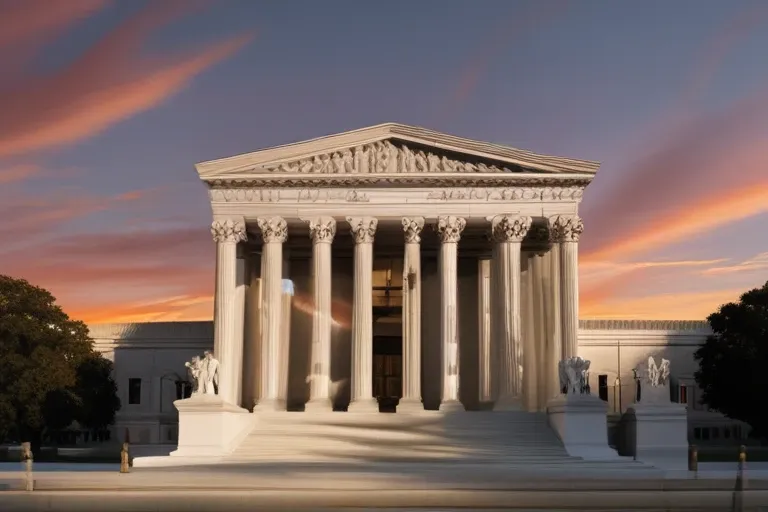
Perhaps no area of the law has seen as much aggressive movement as the Second Amendment. In several pivotal cases, most notably Wolford v. Lopez, the Court has issued rulings that legal scholars describe as "genuinely deranged" in their breadth. By overturning state-level regulations, such as Hawaii’s default rules against firearms on private property open to the public, the court has signaled a clear intolerance for location-specific gun bans. Furthermore, the unanimous ruling suggesting that the Second Amendment transcends anti-drug sentiment indicates that the judiciary is prepared to prioritize weapon ownership rights over traditional public health and safety concerns. This judicial trend has created a ripple effect, forcing other states to reconsider their own carry permit laws and gun safety legislation in the shadow of a bench that seems increasingly committed to a maximalist interpretation of the right to bear arms, regardless of the potential for increased societal violence.
Judicial Activism and the Future of Civil Liberties
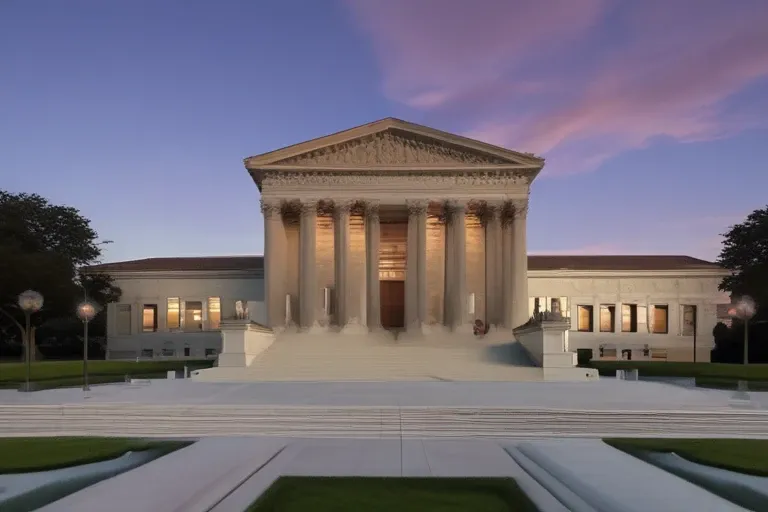
The current session has also highlighted the contentious nature of the court's "shadow docket" and the ideological polarization within the chambers. Justice Sonia Sotomayor’s recent critique of the court’s voting rights decisions—which she described as a "lie"—underscores the deep-seated frustration among the dissenting minority regarding the majority's methodology. Similarly, issues of identity and civil rights have reached the bench, with cases involving the legality of military service policies for transgender troops now looming large as they move through appellate channels. As cases like these reach the High Court, observers are watching closely to see if the current judicial trajectory will continue to ignore long-standing precedents in favor of a rapid, far-reaching transformation of American life. The ongoing trend of the Court acting as a catalyst for political upheaval suggests that the judicial branch has become the primary battleground for the future of civil liberties in the United States.
Concluding Summary: A Court in Transition
The 2026 term of the Supreme Court will be remembered as one of the most consequential in modern history. By aggressively asserting its authority over immigration, public safety, and voting rights, SCOTUS has moved beyond the role of a traditional arbiter to become a leading driver of national policy. Whether this represents a necessary correction or a dangerous departure from democratic norms remains the central question facing the nation. As legal battles continue to escalate, the impact of these rulings will reverberate through the halls of Congress, the executive branch, and the daily lives of citizens, cementing this period as a pivotal chapter in the American judicial narrative.