In the high-octane worlds of professional sports and cutting-edge artificial intelligence, the name "Kimi" has recently become synonymous with excellence and rapid acceleration. Whether it is on the asphalt of the Monaco Grand Prix or within the complex neural networks of large language models, the moniker represents a new generation of high-performing assets. This article explores the dual-pronged narrative of Kimi Antonelli, the prodigy reshaping Formula 1, and Moonshot AI’s Kimi series, which is redefining efficiency in the coding and agentic AI landscape.
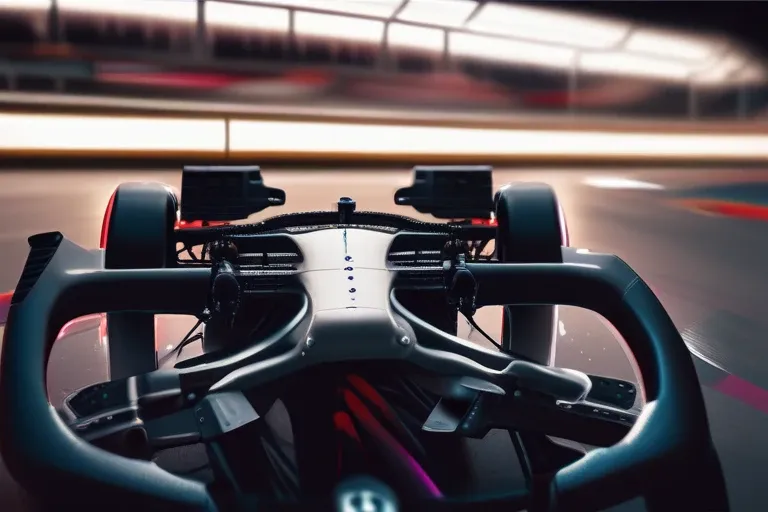
Kimi Antonelli: The New Icon of Formula 1 Supremacy
The name Kimi is once again dominating headlines in Formula 1, not as a legacy of the past, but as the vanguard of the future. Kimi Antonelli, the 19-year-old Italian racing sensation, has taken the circuit by storm. His performance during the Austrian Grand Prix, where he famously led George Russell in a Mercedes one-two finish, marked a pivotal moment in his career. This wasn't merely a flash in the pan; it was a demonstration of technical precision and composure under pressure.
Antonelli’s trajectory has been nothing short of meteoric. Following a string of victories that included a dominant display at the Monaco Grand Prix, where he maintained focus through a race interrupted by structural track failures, Antonelli has firmly established himself as a championship contender. Analysts and enthusiasts alike are now openly discussing whether he is the "champion-elect." His ability to consistently outperform seasoned veterans highlights a generational shift in driving style—one characterized by analytical preparation and an unflappable demeanor that is drawing comparisons to the sport's greatest legends.
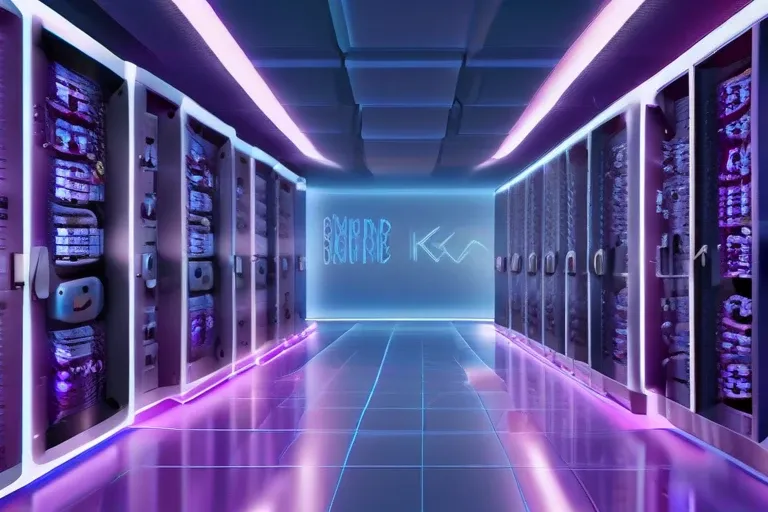
Moonshot AI and the Evolution of the Kimi Coding Model
Parallel to the athletic prowess on the track, the "Kimi" brand has carved out a massive footprint in the digital domain through Moonshot AI. The release of the Kimi K2.7-Code model represents a significant leap forward in developer-focused AI tools. Built upon the architecture of its predecessor, K2.6, this latest iteration focuses on agentic workflows and long-horizon coding tasks. By prioritizing token efficiency, Moonshot AI is addressing one of the most pressing bottlenecks in enterprise software development: the ability for a model to sustain logical consistency over long, complex coding projects.
This development comes at a time when the broader AI market is fiercely competitive. While models like GLM-5.2 are currently dominating artificial intelligence benchmarks and setting new standards for open-weight intelligence, Kimi K2.7-Code distinguishes itself by specializing in the "agentic" paradigm. By moving beyond simple text generation to actual task execution, Kimi is positioning itself as an essential co-pilot for developers, effectively democratizing high-level coding assistance in a way that rivals the latest offerings from tech giants seen at global developer conferences like WWDC26.
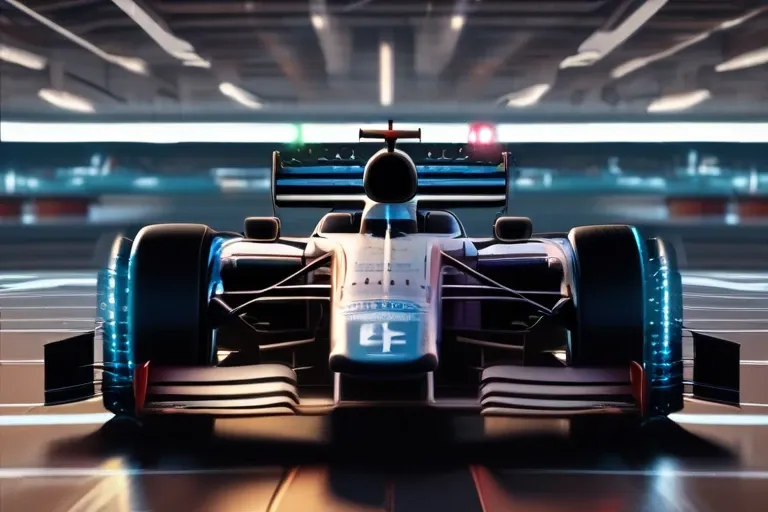
The Convergence of Performance and Future Trends
What links these two disparate worlds of high-speed racing and software engineering is the relentless pursuit of optimization. Whether it is the aerodynamic adjustments to an F1 car or the weight adjustments in a neural network, the goal remains the same: shaving milliseconds off the clock or reducing latency in model output. The rise of Kimi Antonelli mirrors the rise of agentic AI models; both rely on massive amounts of data, real-time adaptability, and the capacity to deliver results when the margins for error are razor-thin.
As we look to the remainder of the 2026 season and the upcoming cycles of AI model deployment, the "Kimi" label serves as a benchmark for quality. In sports, it represents the new standard for the next generation of racers. In tech, it represents the cutting edge of open-source coding efficiency. Both paths demonstrate that, whether in the human-machine interface of a racing cockpit or the digital environment of a software repository, the demand for agility, intelligence, and consistency remains the primary driver of global innovation.
Summary
The rise of "Kimi" across different sectors—from the race track where Kimi Antonelli is rewriting the record books to the server room where Moonshot AI is optimizing code—underscores a period of rapid advancement. Antonelli’s dominance in Formula 1 showcases the potential of youth and discipline in sports, while Kimi K2.7-Code highlights the sophistication of modern agentic AI. As both fields continue to evolve, the impact of these developments promises to leave a lasting mark on their respective industries, setting a high bar for excellence in both human performance and artificial intelligence.