As the 2026 Major League Baseball season hits its mid-summer crescendo, the ancient, vitriolic dance between the New York Yankees and the Boston Red Sox has reclaimed its status as the heartbeat of the American League East. What began in the early 20th century as a lopsided affair has morphed into a high-stakes, multi-billion-dollar theatre of tactical brilliance and visceral animosity. In 2026, the stakes feel palpably different; with both franchises aggressively retooling their rosters to counteract the rising threats of the Baltimore Orioles and the Toronto Blue Jays, every series between the Bronx and Beantown serves as a de facto playoff preview, dictating divisional supremacy and postseason positioning.
The Cy Young Tug-of-War: A Duel of Aces
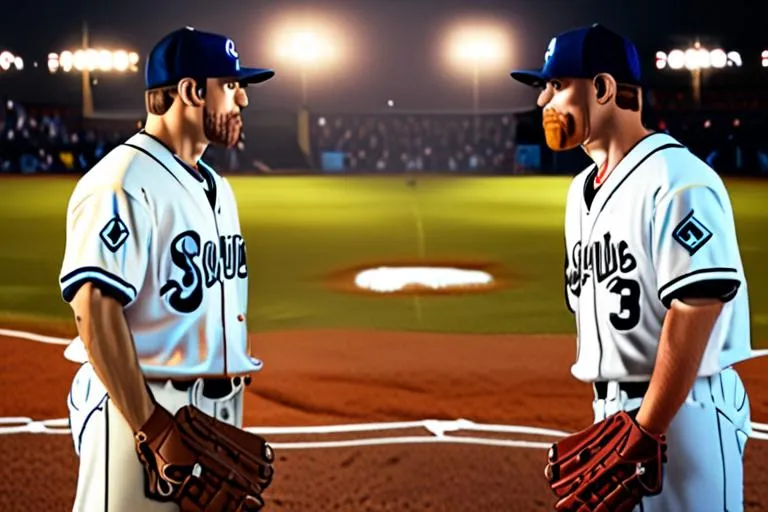
The 2026 narrative is defined largely by the pitching duels that have emerged between the two clubs. The Yankees, bolstering their rotation with high-velocity acquisitions, have found themselves in direct competition with a resurgent Red Sox staff that has leaned heavily on pitching development and advanced biomechanical analytics. The race for the AL Cy Young Award has become a direct battle between the two dugouts. For the Yankees, their veteran ace has provided stability, utilizing a refined slider that has proven nearly impossible for right-handed hitters to track. Meanwhile, the Red Sox have unleashed a homegrown prodigy whose fastball consistency and poise under the high-pressure lights of Fenway Park have drawn comparisons to the legendary arms of the early 2000s.
These matchups are not just about individual stats; they are about psychological warfare. When these two teams collide, the scouting reports are essentially tossed out in favor of pure competitive endurance. Managers are opting to push their starters deeper into games, knowing that a single lapse in concentration against the opposing lineup could be the difference between hosting the Wild Card round or watching from the sidelines. This intensity has fostered a climate where every inning feels like a high-leverage scenario, turning routine June games into spectacles reminiscent of the historic 2003 and 2004 postseason battles.
Tactical Chaos and Fenway Collisions
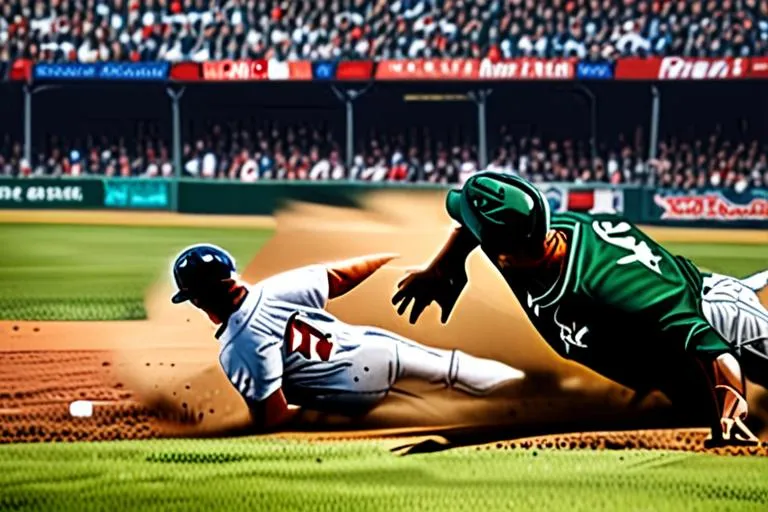
The geography of the rivalry remains its most distinct feature. Playing at Fenway Park continues to present a unique set of challenges that disrupt the Yankees' meticulously planned offensive strategies. In 2026, the "Green Monster" has been the silent participant in several benches-clearing incidents and dramatic plays at the plate. The tight dimensions of the ballpark force both teams into small-ball situations, a deviation from the heavy-home-run-hitting philosophy that dominated the league for much of the last decade. This shift has forced managers to prioritize situational hitting and elite defensive range in the outfield.
Collisions, both literal and metaphorical, have defined the 2026 season. We have seen a spike in aggressive base-running and outfield defensive layouts that prioritize preventing the extra base at any cost. These plays have ignited tempers, leading to heated exchanges and tactical warnings from the umpires. The modern rivalry is no longer just about the jerseys on the backs of the players; it is about the evolution of the game itself. The Yankees' analytical department, known for its focus on launch angles and exit velocity, is constantly clashing with the Red Sox's philosophy of defensive versatility and situational pressure. Every series acts as a test of which philosophy is currently superior, providing a fascinating look at the future of baseball strategy.
The Anatomy of an Unforgiving Legacy
As we look toward the final stretch of the 2026 season, the rivalry remains the ultimate litmus test for both franchises. For the Yankees, the objective remains clear: secure the division, silence the critics, and leverage their payroll to finalize a championship-caliber roster. For the Red Sox, it is a matter of proving that their rebuild—marked by shrewd trades and a heavy emphasis on organizational culture—has reached fruition. The animosity between the fanbases, fueled by social media discourse and decades of bitter history, ensures that the atmosphere in both Yankee Stadium and Fenway Park is electric.
Ultimately, the 2026 Yankees-Red Sox saga proves that the soul of the rivalry lies in its unpredictability. Whether it is a ninth-inning comeback that shatters records or a pitching masterclass that leaves the opposing lineup bewildered, these games represent the pinnacle of baseball entertainment. As these two titans continue their march toward the postseason, one thing is certain: the AL East title will not be decided by who has the most talent on paper, but by who can withstand the relentless psychological pressure that only this specific rivalry can manufacture. The legacy continues to grow, and for the fans of both sides, the 2026 campaign is shaping up to be one of the most storied chapters yet.