In the high-altitude forests of Southern California, the Big Bear bald eagle nest has become a global focal point for wildlife enthusiasts and conservationists alike. Jackie and Shadow, the region's most famous bald eagle pair, have once again captured the hearts of millions through a popular live webcam. Their two latest offspring, Sandy and Luna, have become the stars of this year's nesting season. As these two young eaglets navigate the critical developmental phases leading toward their first flight, their journey is shedding light on both the fragile beauty of avian development and the broader challenges of protecting raptor habitats in an increasingly busy human landscape.
The Development and Milestones of Sandy and Luna
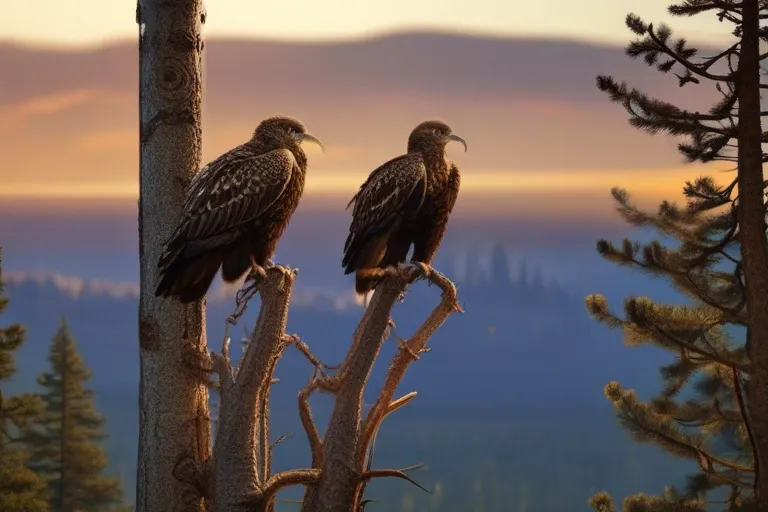
Since hatching over the Easter weekend, Sandy and Luna have undergone a rapid transformation. Now nine weeks old, the eaglets have reached significant milestones that indicate they are nearing their maiden flights. Recent observations have captured them venturing out of the confines of the nest, exercising their wings, and even enduring their first nights alone—though mother Jackie is rarely far from sight. Experts have confirmed that this pair consists of one male and one female, a detail that has excited the community of dedicated followers who have watched them grow from small, fuzzy hatchlings into powerful juvenile eagles. The process of "branching," where eaglets move to the edges of the nest or onto nearby branches, is a crucial precursor to full fledging, which is expected to occur in early July.
Conservation Tensions: Balancing Tradition and Wildlife Protection
The lives of Sandy and Luna are currently unfolding against a backdrop of local tension in the Big Bear area. A traditional Fourth of July "fireworks spectacular," which typically attracts over 125,000 visitors to the mountain resort town, is facing severe scrutiny. Critics and conservation advocates argue that the noise and proximity of large-scale pyrotechnics pose an unnecessary risk to the nesting family. The irony of celebrating national pride with displays that potentially disturb the national bird has ignited a heated debate within the community. This situation highlights the ongoing struggle to balance human recreational habits with the strict environmental requirements needed to ensure the survival of iconic wildlife, particularly during the vulnerable months when eaglets are just beginning to master the skies.
The Long-Term Future of the Big Bear Eagles
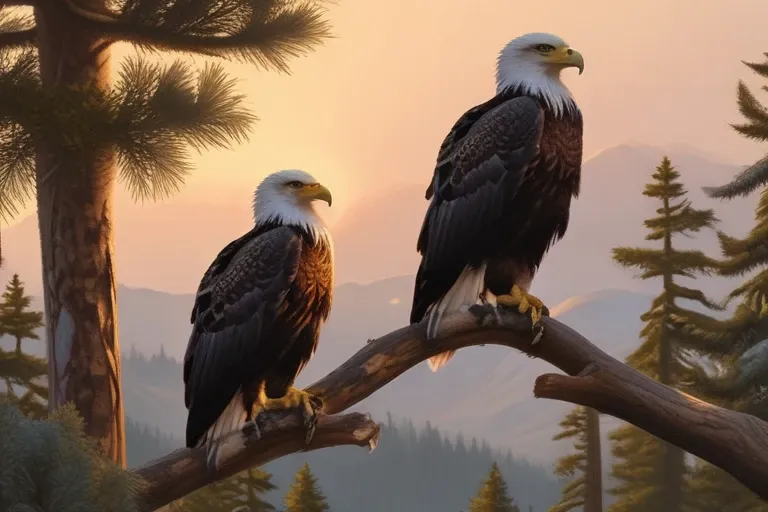
Beyond the immediate developmental stages of the current brood, there is a substantial push for long-term stability for the Big Bear population. It has been reported that the habitat surrounding Jackie and Shadow's territory requires significant investment for permanent protection, with a goal of $10 million identified to secure the land. This fundraising initiative represents a final, critical act for advocates who have spent years negotiating deals to keep the eagles' sanctuary undisturbed. As Jackie and Shadow continue to navigate daily challenges—ranging from territorial disputes with squirrels to securing enough prey for their growing brood—the success of Sandy and Luna serves as a powerful reminder of why continued conservation efforts are essential. With five of Jackie's previous chicks having already successfully fledged and moved on, the legacy of this nest continues to provide invaluable data for ornithologists and hope for wildlife enthusiasts worldwide.
A Summary of the 2026 Nesting Season
The 2026 nesting season for Big Bear’s bald eagles has been one of both triumph and challenge. From the identification of Sandy and Luna as the new generation to the intense public debate regarding human activity in their nesting range, the narrative of this eagle family has captivated a global audience. As the eaglets prepare for the transition into independence, the focus remains on ensuring they have a safe environment to learn to fly and eventually hunt. Whether through the successful management of local tourism or the dedicated efforts of environmental fundraising, the story of Jackie, Shadow, and their offspring remains a cornerstone of modern wildlife conservation success in Southern California.